




Preparing and enjoying dinner is a daily joy for many, but the cleanup afterward can often feel like a chore. If you find yourself dreading the mess left behind after a meal, you’re not alone. Fortunately, there are simple strategies you can adopt to make dinner cleanup faster and less stressful. This guide will share practical ideas to help you enjoy your meal without worrying about the aftermath.
Plan Ahead to Minimize Mess
Use Fewer Dishes and Tools
One of the easiest ways to cut down on cleanup is to limit the number of dishes, pots, and utensils you use while cooking. Consider meals that can be prepared in one pot or baking sheet. For example:
– Sheet pan dinners where protein and vegetables cook together.
– One-pot pasta or rice dishes.
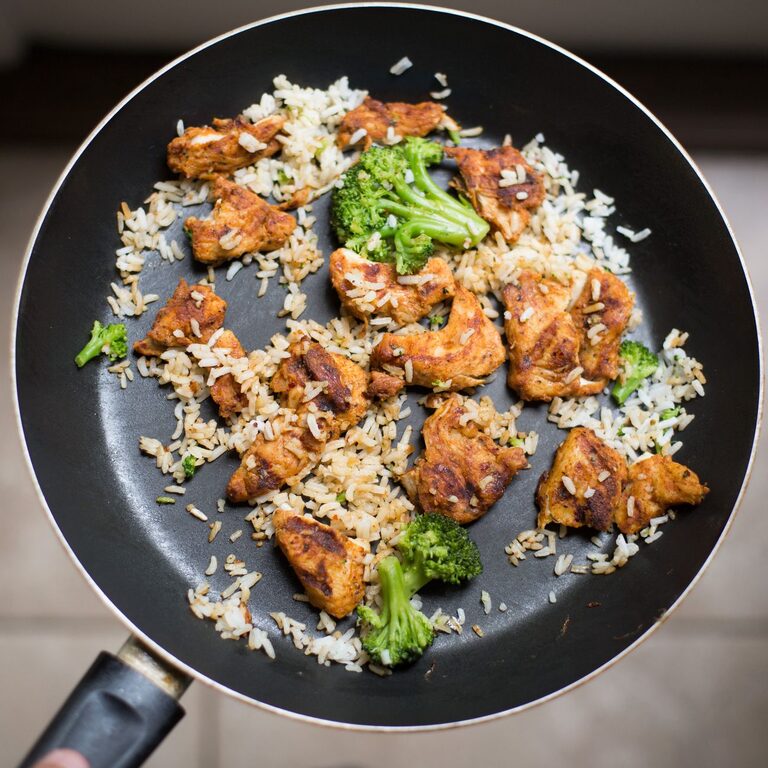
– Skillet meals that include all ingredients.
This reduces the number of items to wash and speeds up cleanup.
Pre-soak Pots and Pans
If you know a pot or pan will have stuck-on food, fill it with hot water and a bit of dish soap immediately after dinner. Letting it soak while you eat makes scrubbing much easier later.
Organize Your Kitchen Workspace
Clean as You Go
Instead of waiting until after the meal, try to clean utensils, cutting boards, and prep bowls as you cook. Wipe counters between tasks and put away ingredients once used. This keeps your workspace tidy and prevents a towering pile of dishes.
Set Up a Dishwashing Station
Having a designated spot for dirty dishes helps keep the kitchen organized. Use a drying rack or a large basin next to the sink for stacking plates and glasses. This makes it easier to load the dishwasher or hand wash efficiently.
Use Time-Saving Tools and Products
Invest in a Good Dishwasher
A reliable dishwasher is a game changer when it comes to cleanup. Modern dishwashers are energy efficient and often have quick wash cycles. If you don’t have one yet, consider adding one to your kitchen for convenience.
Use Disposable or Reusable Liners
For baking sheets and pans, use parchment paper, silicone mats, or aluminum foil liners. These liners prevent food from sticking and make cleaning trays quicker.
Try Dishwasher-Safe Cooking Items
Choose pots, pans, and utensils labeled dishwasher-safe. This allows you to rinse and stack them directly into the dishwasher after cooking.
Encourage Family Participation
Assign Simple Cleanup Tasks
Make dinner cleanup a team effort. Assign age-appropriate tasks to family members, such as clearing the table, rinsing dishes, or wiping counters. This not only speeds up cleanup but also teaches responsibility.
Create a Cleanup Routine
Establish a consistent routine for after-meal cleanup. For example:
– Everyone clears their plate.
– Scrape leftovers into the trash or compost.
– Load dishwasher or wash specific items.
– Wipe the dining table.
Having a plan makes the process smoother and less overwhelming.
Maintain Cleanliness Between Meals
Wipe Down Surfaces Daily
Keeping countertops and the stove clean daily prevents buildup that can take more time later. A quick wipe with a damp cloth or kitchen cleaner after cooking keeps your kitchen fresh.
Keep a Sink Full of Warm Soapy Water
If you hand wash dishes, keeping the sink filled with warm, soapy water during cooking allows you to rinse or place dishes there immediately. This softens food residue and makes washing easier.
Quick Tips to Remember
– Use serving bowls instead of multiple plates to reduce stacking.
– Serve finger foods or meals that don’t require many utensils.
– Use a trash bowl at the table where everyone can scrape scraps.
– Clean spills and splashes immediately to avoid stains.
– Store leftovers in containers right after the meal to clear the table quickly.
Conclusion
Dinner cleanup doesn’t have to be a dreaded task. By planning your cooking process, organizing your kitchen, using helpful tools, involving your family, and maintaining cleanliness, you can make cleanup faster and less tiring. Try incorporating a few of these ideas into your routine and enjoy more time relaxing after your delicious meal.