




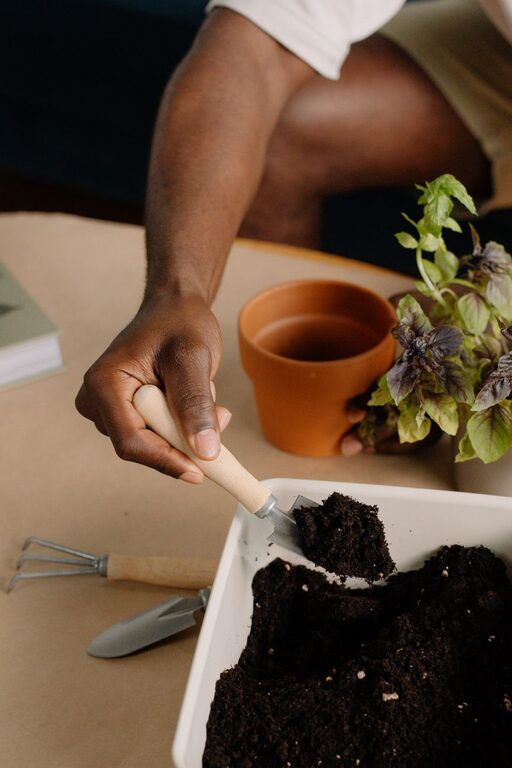
Starting an indoor herb garden is a rewarding and practical way to enjoy fresh flavors year-round, even if you have limited space. Whether you’re an experienced gardener or a complete beginner, growing herbs indoors can be simple and fun. This guide will walk you through everything you need to know to get your small indoor herb garden up and running.
Why Grow Herbs Indoors?
Indoor herb gardening offers many benefits:
– Fresh herbs at your fingertips for cooking and teas
– Improved air quality in your home
– A natural way to brighten up small spaces
– A relaxing and educational hobby
Plus, herbs typically require minimal care, making them ideal for indoor growing.
Choosing the Right Herbs for Indoor Growth
Some herbs are better suited for indoor conditions than others. Here are some popular and easy-to-grow options:
– Basil: Loves sunny windows and warmth.
– Mint: Thrives in partial shade and is very hardy.
– Parsley: Grows well in moderate light.
– Chives: Can tolerate less light and add a mild onion flavor.
– Thyme: Prefers bright light and well-drained soil.
– Oregano: Needs lots of sunlight and warmth.
– Cilantro: Grows quickly but prefers cooler indoor temperatures.
Start with two or three herbs you use most often in your kitchen. This makes it easier to manage and care for your garden.
Selecting Containers and Soil
Choosing the right pots and soil is essential for healthy herb growth.
Containers
– Use pots with drainage holes to avoid waterlogging.
– Small to medium-sized containers (4-6 inches deep) work well.
– You can repurpose containers like mason jars or buy decorative planters.
– Consider using a tray or saucer under pots to catch excess water.
Soil
– Use a high-quality potting mix designed for indoor plants.
– Avoid garden soil, as it can be too dense and may contain pests.
– Look for soil that drains well but retains moisture—herbs don’t like soggy roots.
Finding the Best Location
Herbs need plenty of light to thrive indoors.
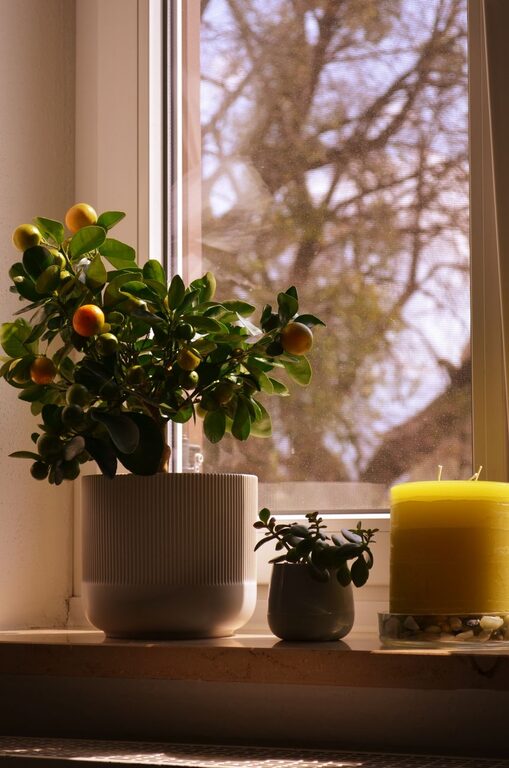
– Place your garden near a south- or west-facing window for the most sunlight.
– Aim for at least 6 hours of direct sunlight each day.
– If natural light is limited, consider using LED grow lights to supplement.
– Rotate pots occasionally so all sides get light evenly.
Planting Your Herb Garden
You can start your herbs from seeds or buy young plants from a nursery.
Starting from Seeds
– Fill containers with moist potting soil.
– Plant seeds according to the depth instructions on the seed packet.
– Cover lightly with soil and mist with water.
– Keep soil moist until seedlings emerge.
– Thin seedlings if too crowded, leaving only the strongest.
Transplanting Young Plants
– Gently loosen roots before planting in your chosen containers.
– Plant at the same depth as they were growing in their nursery pots.
– Water thoroughly after planting.
Caring for Your Indoor Herb Garden
Regular care helps keep your herbs healthy and productive.
Watering
– Water herbs when the top inch of soil feels dry.
– Avoid overwatering; soggy soil can cause root rot.
– Use room temperature water to avoid shocking plants.
Feeding
– Feed herbs once a month with a balanced liquid fertilizer diluted to half strength.
– Too much fertilizer can reduce flavor intensity.
Pruning and Harvesting
– Regularly pinch back herbs to encourage bushier growth.
– Harvest leaves as needed, but avoid removing more than one-third of the plant at a time.
– Remove any yellow or damaged leaves promptly.
Monitoring for Pests
– Check plants regularly for common indoor pests like aphids or spider mites.
– Wipe leaves or use gentle insecticidal soap if needed.
Troubleshooting Common Problems
– Yellowing leaves: Often a sign of overwatering or too little light.
– Leggy plants: May need more light or pruning to encourage fullness.
– Wilting: Could be underwatering or root problems.
– Lack of growth: Check light levels and soil quality.
Tips for Maximizing Your Indoor Herb Garden
– Group herbs with similar care needs together.
– Use a humidity tray or mist plants occasionally if your home is dry.
– Label your containers for easy identification.
– Try combining herbs in a larger container for a mini herb bed.
Enjoying Your Harvest
Fresh herbs add bright flavors and aromas to your meals. Use your indoor garden’s herbs in:
– Salads and sandwiches
– Soups and stews
– Herbal teas and infusions
– Homemade sauces and dips
Growing herbs indoors is a satisfying way to bring nature into your home and elevate your cooking with fresh ingredients.
—
By following these simple steps, you can create a thriving small herb garden indoors that fills your home with greenery and delightful aromas. Happy gardening!