





Creating a relaxing home workspace is essential for maintaining focus, reducing stress, and improving overall productivity. Since many people now spend a significant amount of time working from home, having a comfortable and calming environment can make a big difference in how you feel during your workday. Whether you have a dedicated room or just a small corner, there are plenty of ways to create a space that invites relaxation and focus.
Why a Relaxing Workspace Matters
Your work environment impacts your mood, energy levels, and productivity. A cluttered or noisy space can lead to distractions and burnout. Conversely, a relaxed workspace helps you stay calm, organized, and motivated. When you design your space with comfort and tranquility in mind, you’re more likely to enjoy your work and accomplish more throughout the day.
Choosing the Right Location
Before you start decorating or organizing, think about where your workspace should be.
– Natural light: If possible, place your desk near a window to take advantage of natural sunlight. Natural light can improve mood and reduce eye strain.
– Quiet area: Pick a spot away from household traffic or loud noises. A calm environment helps minimize distractions.
– Ventilation: Good air flow keeps the room fresh and can help you stay alert.
If you don’t have a separate room, try to carve out a dedicated corner with clear boundaries to separate work from relaxation spaces.
Declutter and Organize
A clean, organized workspace immediately feels more relaxing.
– Remove unnecessary items: Only keep work-related essentials on your desk.
– Use storage solutions: Shelves, drawers, or bins can keep papers and supplies tidy.
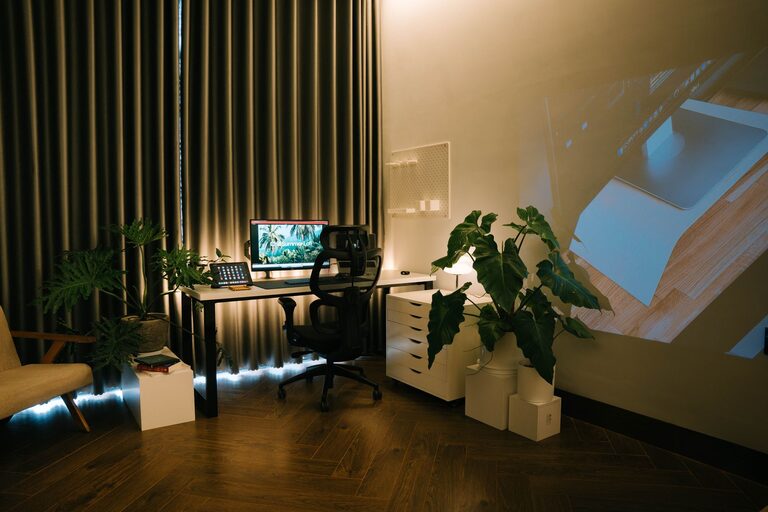
– Cable management: Use clips or ties to prevent cables from tangling and creating visual clutter.
Regularly tidying your space fosters a sense of control and calm.
Choose Comfortable and Supportive Furniture
Since you’ll spend hours sitting, invest in ergonomic furniture.
– Ergonomic chair: Supports your back and encourages good posture.
– Desk height: Should allow your arms to rest comfortably at a 90-degree angle.
– Footrest: Helpful if your feet don’t touch the ground naturally.
Comfortable furniture reduces physical stress and helps you stay focused longer.
Add Calming Colors
Colors influence mood and productivity.
– Soft neutrals: Shades like beige, soft gray, or pale blue create a peaceful atmosphere.
– Accent colors: Gentle greens or blues can promote calm and creativity.
– Avoid overly bright or harsh colors: These may increase anxiety or distract you.
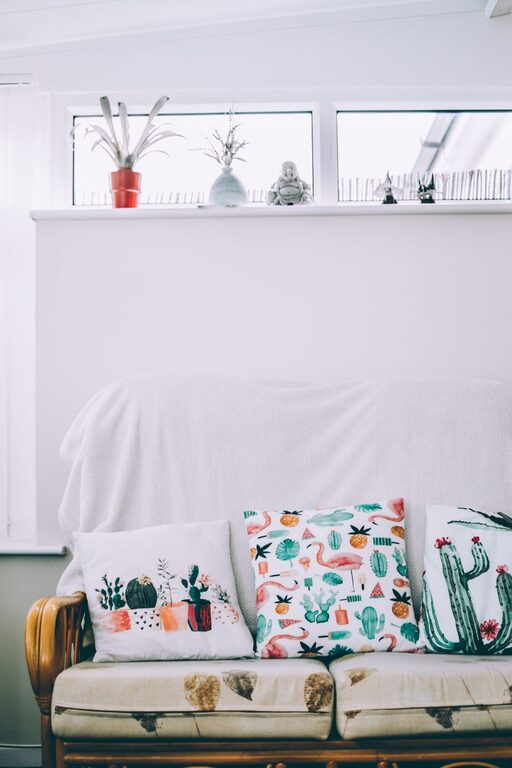
Consider repainting walls, adding wallpaper, or introducing color through accessories like cushions or desk mats.
Incorporate Natural Elements
Bringing nature into your workspace can boost relaxation.
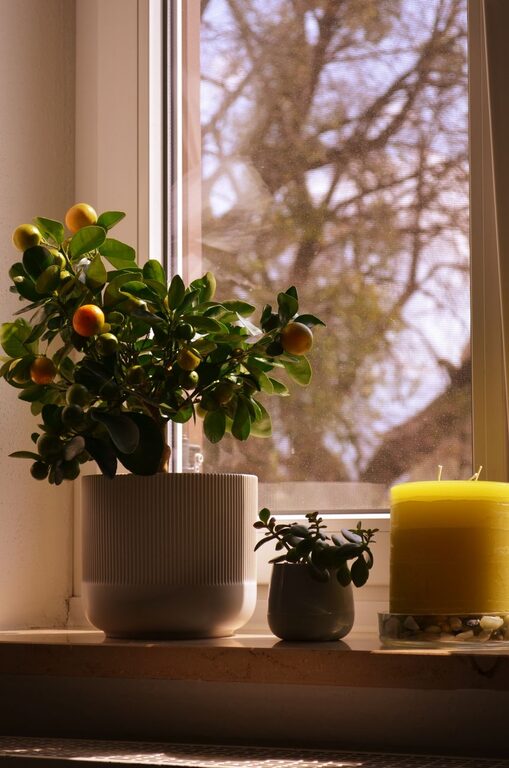
– Plants: Small potted plants or succulents improve air quality and add a touch of greenery.
– Natural materials: Wood desks, bamboo organizers, or stone coasters create a warm, organic feel.
– Views: If possible, arrange your desk to face a window with a garden or trees.
These elements help reduce stress and increase happiness.
Control Lighting
Proper lighting prevents eye strain and sets the mood.
– Layered lighting: Combine overhead lights with desk lamps for flexibility.
– Adjustable lamps: Choose lamps with dimmers or adjustable arms to direct light where needed.
– Warm light bulbs: Soft white or warm light bulbs create a cozy ambiance without being too bright.
Avoid harsh fluorescent lighting for a more inviting workplace.
Personalize Your Space
Adding personal touches makes your workspace feel welcoming.
– Artwork or photos: Select calming images or inspiring quotes.
– Decorative items: Choose a few meaningful objects, but avoid clutter.
– Scent: Use subtle essential oils or candles to create a soothing atmosphere.
Personalization can motivate you and make your work hours more enjoyable.
Set Boundaries and Manage Noise
Reducing distractions is key for relaxation.
– Noise control: Use noise-cancelling headphones or play soft background music.
– Physical boundaries: Use room dividers or curtains if your workspace is in a shared room.
– Work hours: Establish clear start and end times to separate work from personal life.
By managing noise and setting limits, you maintain focus and protect your downtime.
Incorporate Movement and Break Areas
A relaxing workspace isn’t just about sitting still.
– Stretching space: Leave room to stand and stretch every hour.
– Comfortable chair or small couch: For short breaks or reading.
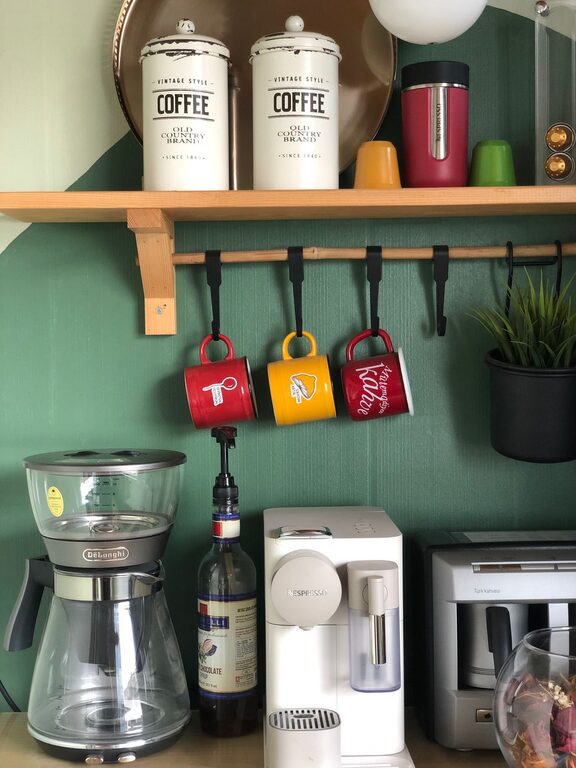
– Water station: Keep a water bottle or mini water cooler nearby to stay hydrated.
Moving regularly helps reduce tension and refreshes your mind.
Keep Technology Simple and Efficient
Technology can either help or hinder relaxation.
– Minimal devices on the desk: Keep only what you need, like your computer and phone.
– Cable organization: Avoid messy cords.
– Tech breaks: Limit screen time during breaks to rest your eyes.
When your tools are well-managed, you can work smoothly without feeling overwhelmed.
—
Creating a relaxing home workspace is about combining comfort, organization, and personal style. With thoughtful choices in location, furniture, lighting, and decoration, you can design an environment that supports both productivity and peace of mind. Start small, and gradually adjust your space until it becomes your ideal work sanctuary.