






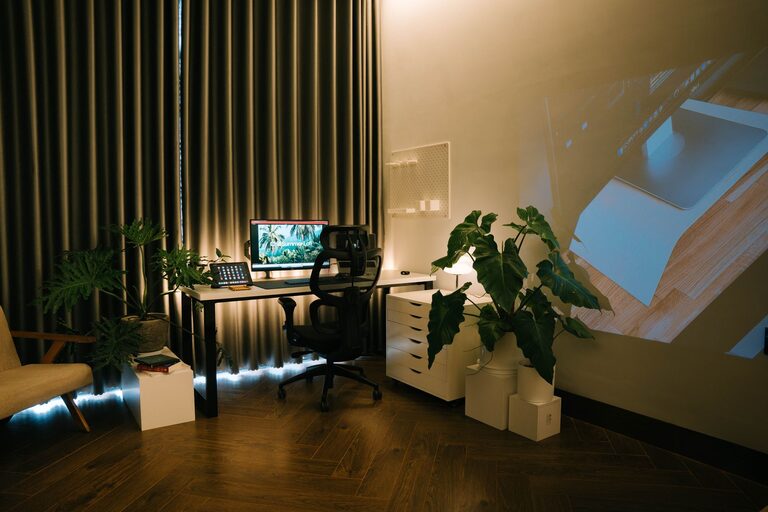
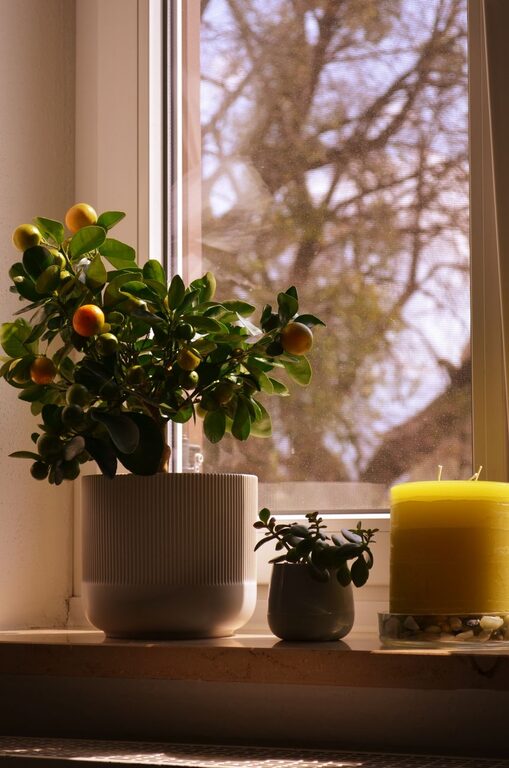
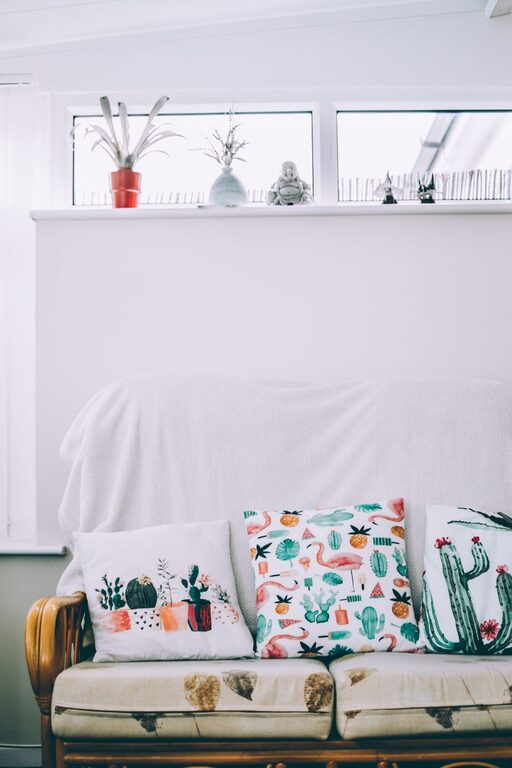
When a room feels dark and gloomy, it can affect the entire mood of your home. Fortunately, you don’t have to undertake major renovations to brighten up these spaces. With a few quick ideas and simple tweaks, you can transform a dark room into a cheerful, inviting area. Here’s a friendly guide with practical tips to help you bring more light and life into any dark room.
Why Some Rooms Feel Dark
Before exploring solutions, it’s helpful to know why some rooms feel darker than others. Common reasons include:
– Limited natural light due to small or shaded windows
– Dark wall colors or flooring absorbing light
– Heavy curtains or window treatments blocking daylight
– Furniture and décor choices that don’t reflect light
Understanding what contributes to the darkness will make it easier to choose the right strategies to brighten your space.
1. Maximize Natural Light
Natural light is the best way to brighten any room. Even a small amount of daylight can make a big difference.
a. Use Sheer Curtains or None at All
Replace thick, dark curtains with sheer or light-colored ones. These allow sunlight to filter in while still providing privacy. In rooms where privacy isn’t a concern, consider leaving windows uncovered during the day.
b. Clean Your Windows
It’s simple but often overlooked: dirty windows block sunlight. Regularly cleaning your windows both inside and out can increase the amount of natural light entering the room.
c. Use Mirrors to Reflect Light
Strategically placing mirrors opposite windows or near light sources reflects natural light around the room. Large mirrors or a cluster of smaller ones can visually expand the space and brighten dark corners.
2. Choose Light Colors Wisely
Color plays a huge role in how light or dark a room feels.
a. Paint Walls in Light, Neutral Tones
Whites, creams, light grays, and pastel hues reflect more light than darker shades. Choosing these colors for your walls instantly makes the space feel airier and brighter.
b. Opt for Light-Colored Flooring and Rugs
If possible, select flooring in light wood tones or pale carpets and rugs which help bounce light throughout the room.
c. Add Bright, Colorful Accents
While overall light colors work best, pops of bright, cheerful colors in pillows, throws, and art can energize the space without overwhelming it.
3. Improve Lighting Fixtures
Good lighting can completely change the atmosphere and perception of space.
a. Layer Your Lighting
Combine overhead lights with table lamps, floor lamps, and sconces. This layered approach lets you adjust brightness and reduces harsh shadows that make rooms feel small and dull.
b. Use LED Bulbs with Higher Lumens
Switch to LED bulbs that provide bright, natural light. Look for bulbs labeled as “daylight” or with a color temperature around 5000K to mimic sunlight.
c. Install Dimmer Switches
Dimmer switches give you control over lighting levels, so you can brighten the room during the day and create a cozy ambiance in the evening.
4. Declutter and Choose Reflective Surfaces
Clutter and heavy materials can absorb light and make a room feel cramped and dark.
a. Keep Furniture and Accessories Minimal
Less visual clutter helps light move freely and makes the room look more spacious.
b. Incorporate Glass, Metal, and Glossy Finishes
Reflective surfaces like glass tabletops, metal accents, and glossy paint or tiles can bounce light and add brightness.
c. Use Transparent or Light Furniture
Furniture made from transparent materials like acrylic or light wood tones can help avoid blocking light and keep the room feeling open.
5. Utilize Smart Window Treatments
Besides sheer curtains, there are other smart ways to let in more light without sacrificing privacy.
a. Consider Top-Down, Bottom-Up Shades
These shades can be adjusted to let in light from the top of the window while covering the bottom for privacy.
b. Use Blinds with Adjustable Slats
Blinds with adjustable slats allow you to control how much light filters through throughout the day.
6. Add Indoor Plants Strategically
Plants add life and vibrancy, and some varieties thrive in low-light conditions.
– Place plants near windows to catch available light
– Use hanging planters or shelves to avoid cluttering floor space
– Choose plants known for tolerating shade, such as snake plants or pothos
7. Rearrange Your Furniture
Sometimes, simply moving furniture can open up light pathways.
– Avoid blocking windows with large pieces
– Position seating near natural light sources for a bright, inviting spot
– Keep pathways clear to allow light to travel through the room
Conclusion
Brightening a dark room doesn’t have to be complicated or expensive. By maximizing natural light, choosing light colors, improving lighting fixtures, reducing clutter, and using reflective surfaces, you can create a welcoming, sunlit space. Implementing a few of these quick ideas will have your room feeling lighter, more open, and more cheerful in no time!
Remember, every home is different, so experiment to find the combination that works best for your space. Happy decorating!