




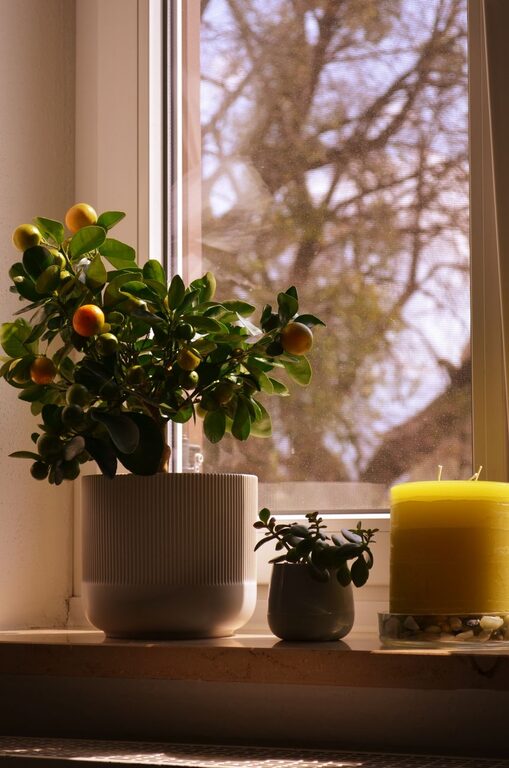



Creating a peaceful and quiet home environment is essential for relaxation, concentration, and overall well-being. Whether you live in a busy urban area or a lively neighborhood, noise can easily disrupt your comfort. The good news is that there are several simple and affordable ways to reduce noise at home without major renovations. In this article, we’ll explore practical tips and ideas to help you create a calmer living space.
Understanding Noise Sources in Your Home
Before tackling noise, it’s helpful to identify the common sources that may affect your home’s quietness:
– Outdoor noise: traffic, construction, neighbors, pets
– Internal noise: appliances, electronics, HVAC systems, footsteps
– Structural noise: sound traveling through walls, floors, and ceilings
Knowing where the noise comes from will guide you in choosing the most effective solutions.
Simple Ways to Reduce Noise Indoors
1. Use Soft Furnishings to Absorb Sound
Hard surfaces reflect sound, increasing noise levels. Introducing soft materials helps absorb sound waves and reduces echo inside rooms. Consider adding:
– Area rugs or carpets on hardwood or tile floors
– Thick curtains or drapes on windows
– Cushions and upholstered furniture
– Fabric wall hangings or tapestries
These items increase comfort while dampening sound.
2. Seal Gaps Around Doors and Windows
Noisy air leaks through gaps and cracks can disturb your space. Weatherstripping seals and door sweeps are inexpensive ways to block sound from entering through openings.
– Install weatherstripping around door and window frames
– Use a door sweep to close the gap at the bottom of doors
– Apply acoustic sealant to fill any visible cracks or holes
These small steps can significantly reduce noise infiltration.
3. Rearrange Furniture for Sound Dampening
Strategic placement of furniture can enhance sound absorption:
– Place bookshelves against shared walls to create a sound barrier
– Position sofas and chairs away from noisy windows or doors
– Fill empty corners with tall plants or fabric-covered screens to reduce sound reflections
Moving items to create buffer zones helps lower noise levels.
4. Add Acoustic Panels or Soundproofing Materials
Acoustic panels designed to absorb sound can be an effective addition, especially in noisy rooms or home offices.
– Choose decorative panels that match your room’s style
– Install behind TVs, near noisy appliances, or on shared walls
– Use removable panels if you prefer a non-permanent solution
If you want a more comprehensive approach, consider soundproof drywall or foam materials for walls and ceilings.
Minimizing Outdoor Noise Intrusion
1. Plant Trees and Shrubs
Landscaping can act as natural noise barriers. Dense bushes, tall trees, and hedges absorb and block sound from streets or neighbors.
– Use evergreens for year-round noise reduction
– Plant thick layers of shrubs near windows or fences
– Combine different plant heights for better sound diffusion
Besides noise control, plants improve your garden’s appearance and air quality.
2. Use Fencing and Outdoor Barriers
A solid fence or wall can reduce sound transmission into your yard and home.
– Choose materials like wood, vinyl, or masonry for better sound blocking
– Ensure fence height is adequate (usually 6 feet or higher)
– Fill gaps between fence boards to avoid sound leaks
Combined with vegetation, fences create an effective outdoor sound barrier.
Reducing Internal Noise from Appliances and Electronics
1. Maintain Appliances Regularly
Sometimes noises come from appliances like HVAC systems, refrigerators, or washing machines.
– Keep appliances well-maintained and clean to prevent extra noise
– Replace worn-out parts or install noise-reducing pads under machines
– Consider quieter models when replacing old appliances
This can minimize mechanical sounds inside the home.
2. Use White Noise Machines or Soft Music
For unavoidable noises, adding a gentle background sound can mask disturbances.
– Use white noise machines or fans at low volume
– Play soft instrumental music during work or relaxation
– Avoid loud, sudden noises to maintain a calm atmosphere
These sounds can help you focus or wind down despite some background noise.
Tips for Soundproofing Specific Rooms
Home Office
– Use rugs and curtains to absorb sound
– Position your desk away from noisy windows
– Add acoustic panels behind your computer and on walls
Bedrooms
– Opt for thick curtains and blackout blinds
– Use door seals and draft stoppers
– Place bookshelves or wardrobes against walls shared with noisy rooms
Final Thoughts
Reducing noise at home doesn’t have to be complicated or expensive. By making simple changes like adding soft furnishings, sealing gaps, landscaping, and maintaining appliances, you can create a much quieter environment. These tips not only improve your comfort but also enhance your overall quality of life. Start with the easiest steps and gradually explore more solutions that fit your home and lifestyle.
Enjoy your peaceful, noise-reduced home!